Contact Us |
Login |

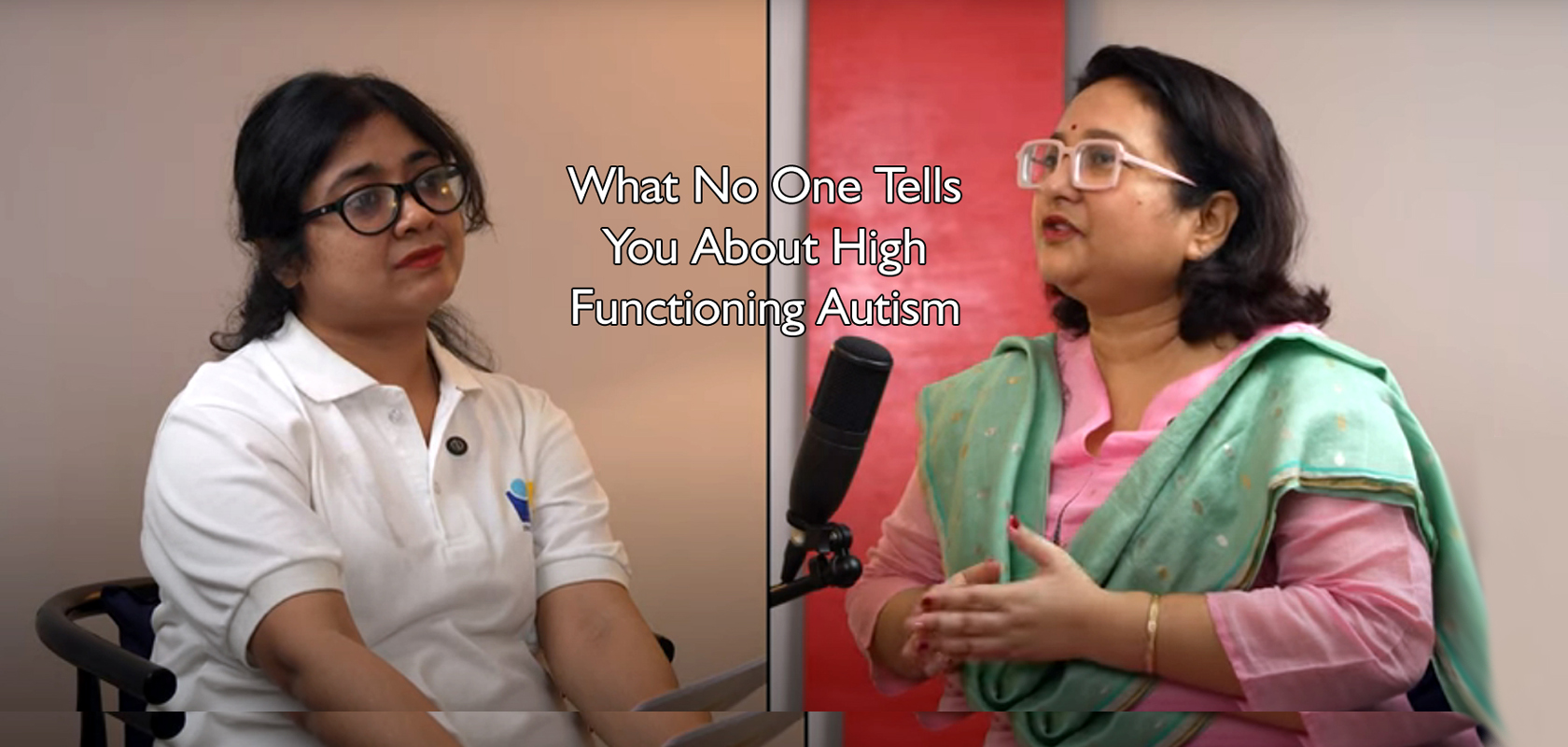
Ms. Atreyee Chandra, is a licensed clinical psychologist ( RCI registered) practicing in Kolkata with 22 years of experience in the field of Mental Health.

Ms. Atreyee Chandra had completed M. Sc in Applied Psychology with specialization in Clinical psychology from University of Calcutta & M. Phil in Medical & Social Psychology from Central Institute of Psychiatry, Ranchi - a mental health institute of National repute.
She had worked with Tata Motors Hospital, Jamshedpur, Jharkhand, NSHM Knowledge Campus, Durgapur, and Vidyasagar University, Medinipur, West Bengal to mention a few. She also has been teaching in various courses & attached to different universities.
Beyond her profession, she is closely associated with NGOs and women’s groups in eastern part of the country to empower those who are often unheard, helping them recognize the strength they already carry. She is passionate about spreading awareness regarding the importance of mental health and has conducted workshops and trainings for the community (women, parents, students, teachers, police personnel, excise personnel, etc.)
The immense experience of the CEO herself ensures expert guidance.
She is patient, empathetic, creative, and flexible, fostering a calm, structured, and supportive environment while collaborating with families and using visual aids and personalized strategies to meet individual needs. She possesses strong communication skills, good organizational abilities, and a deep knowledge of autism to effectively support diverse learners.
The CEO herself takes classes to ensure the best transfer of knowledge and experience to the students.
Patience and Empathy: These are crucial for understanding and supporting students who may struggle with communication, social interaction, or sensory input.
Calm and Positive Presence: Maintaining a calm demeanor is essential, as autistic students can easily pick up on and be agitated by stress or tension in the classroom.
Creativity and Resourcefulness: Effective teachers find innovative ways to present information, engage students, and adapt to unexpected situations using methods like visual aids and hands-on activities.
Flexibility: While structure is important, teachers must also be adaptable and willing to try different approaches to suit each student's unique needs and learning style.

Strong Collaboration: Good teachers communicate clearly, listen actively, and work closely with families, other teachers, and the student to ensure a unified approach.
Organization and Planning: Creating detailed, organized environments and routines provides structure that can help autistic students feel safe and comfortable. Visual Supports: Using visual schedules, labels, and other visual tools helps with communication, predictability, and understanding.
Individualized Approaches: Recognizing individual strengths, interests, and challenges is key. Teachers should adapt their strategies to provide personalized accommodations and empower students.
Building a Safe Environment: Teachers should provide a quiet, safe space or a "quiet corner" where students can go when they feel overwhelmed or need a break.
Knowledge of Autism: Staying knowledgeable about the characteristics of autism and specific learning strategies helps teachers understand student behaviors and needs more deeply.
22
7
5
450
Social Communication Challenges
The Identification Process
Challenges On The Way
Key Points to Remember
Create a Predictable and Safe Environment
Use Positive Reinforcement & Communication
Address Anxiety and Sensory Needs
Seek Support and Collaboration
Ut enim ad minima veniam, quis nostrum exercitationem ullam corporis suscipit laboriosam, nisi ut aliquid ex ea commodi consequatur? Quis autem vel eum iure reprehenderit qui in ea voluptate velit esse quam nihil molestiae consequatur, vel illum qui dolorem eum fugiat quo voluptas nulla pariatur.
 The Center for Learning and Wellbeing
© 2025 Anwita. All Rights Reserved | Design by Digitron Infotech